
Ballarat
“Even lone wolves are stronger together!”
Wadawurrung and Dja Dja Wurrung Country
Ballarat is the first regional city to implement Live4Life.
Ballarat’s population is over 120,000, making it the third-largest urban inland city in Australia and the third-largest city in Victoria.
Live4Life Ballarat launched in March 2023 and engages the whole Ballarat community — twelve secondary schools, health provider networks and local community organisations.
The Lead Agency is the City of Ballarat.
City of Ballarat can be contacted directly via youth@ballarat.vic.gov.au
…have undertaken mental health education since Live4Life Ballarat was launched in 2023.

Youth Mental Health First Aid® training for adults in Ballarat
One of the most important ways adults can support young people in rural and regional areas is to undertake Youth Mental Health First Aid® training. It’s suitable for school staff and all other adults in the community, such as parents, grandparents, coaches, instructors etc.
Live4Life Ballarat offers subsidised Youth Mental Health First Aid® training opportunities for the Ballarat community. In 2025, 87 adults in Ballarat completed YMHFA®, and a further 41 did refresher courses.
If you are interested in undertaking YMHFA® training, please follow Ballarat Live4Life Partnership group on Humanitix and you will be notified when new courses are available.

The Crew
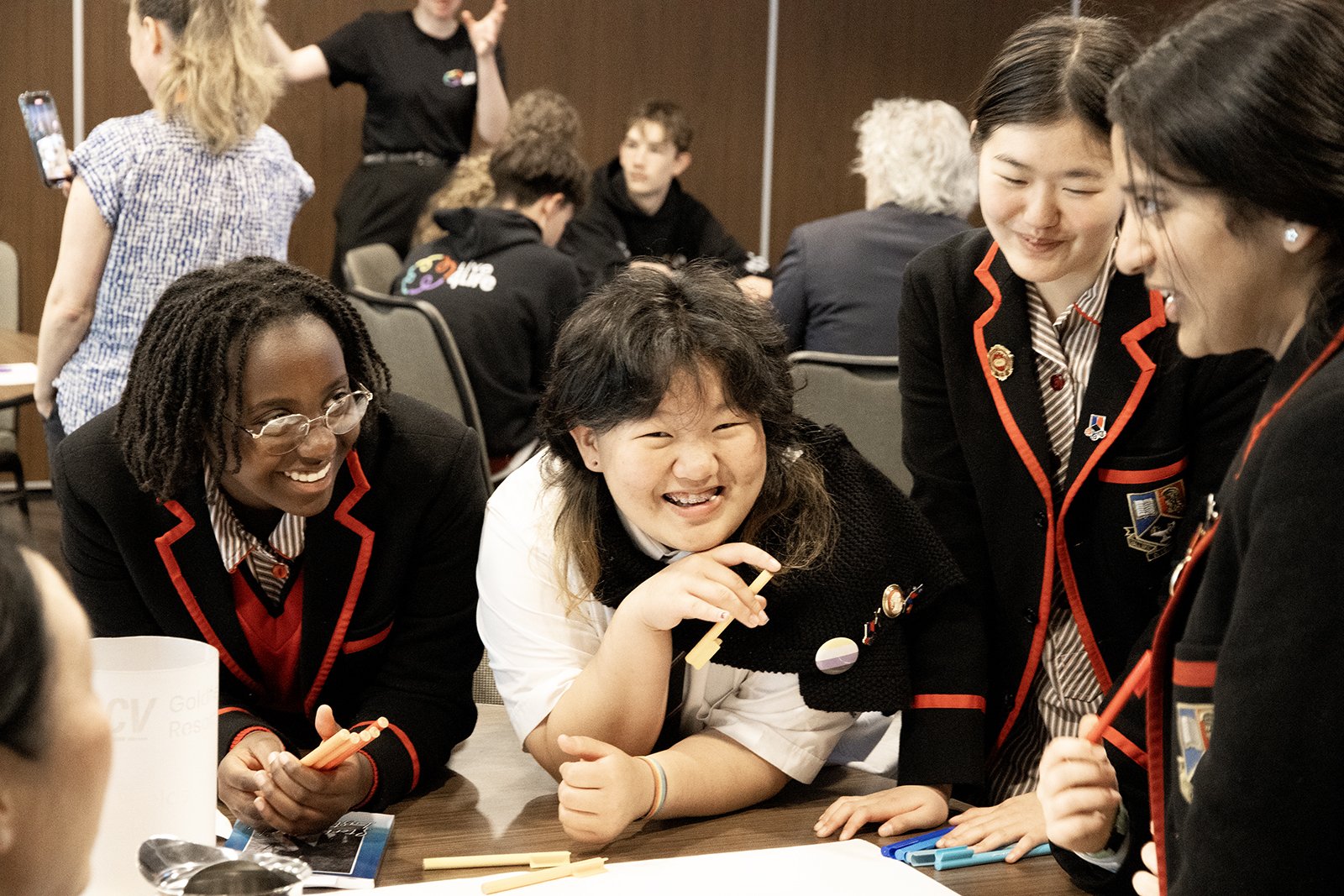
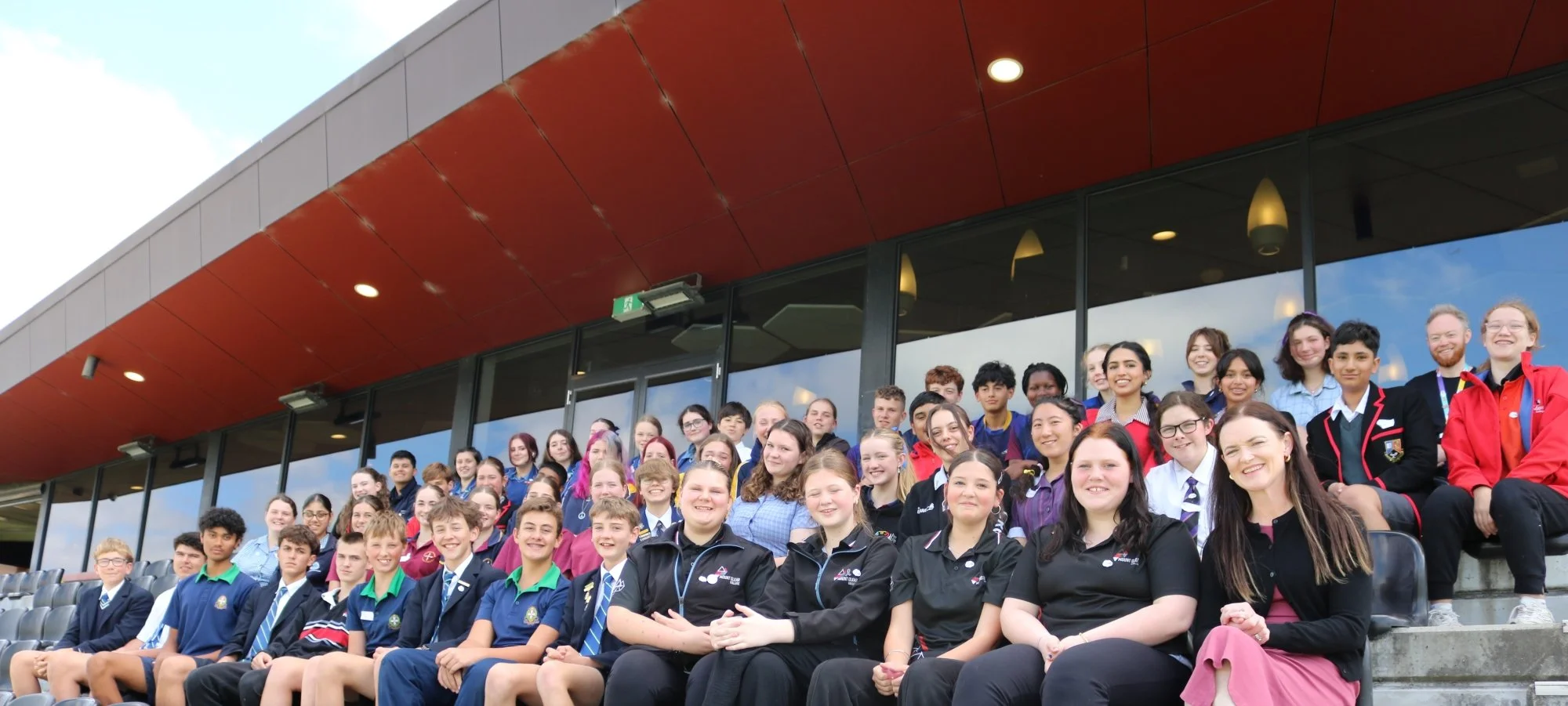
The Live4Life Ballarat Crew is made up of students from each of the twelve participating secondary schools. Members of the Crew design, plan and deliver mental health promotion activities throughout the year.
To find out more or to get involved with the Crew contact Jaymee Ellis on jaymeeellis@ballarat.vic.gov.au.
“When we work collaboratively and provide support to each other as organisations, we model something really powerful for young people — that is, that being a part of this community is something special. When we work in the service of young people to support them to care for themselves and their friends, we strengthen our community, the Ballarat community.
Live4Life is becoming a springboard for a range of other collaborative initiatives to occur to support the young people in our community. Ballarat is only a great place to live if it is a safe and supportive environment for all members of the community. Live4Life is taking huge steps to make this a reality and is bringing parts of the community together who have never really collaborated before. Born out of tragedy, it is building an exciting and positive future.”
Dean Griffin, Head of Student Wellbeing at Ballarat Clarendon College
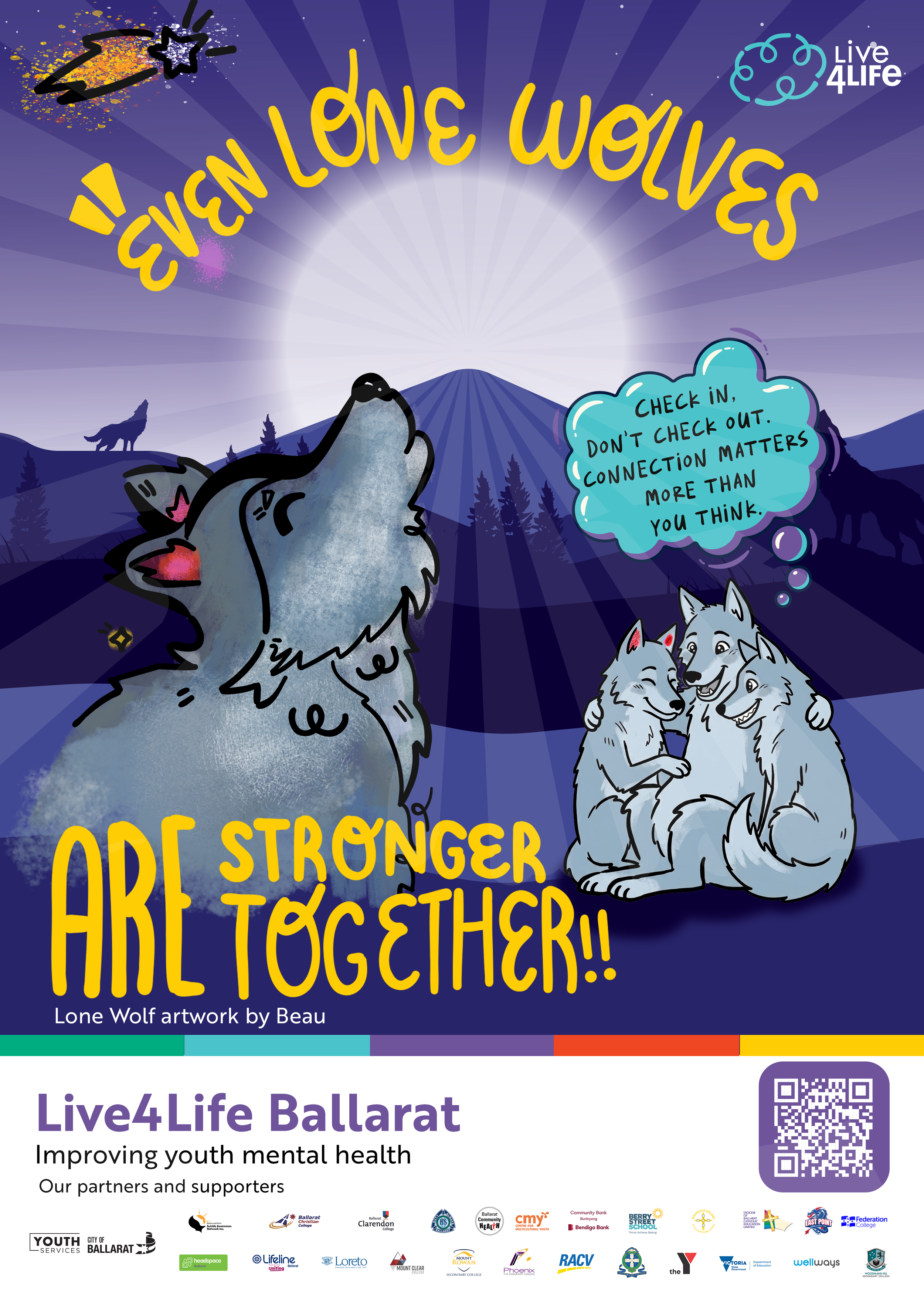
2026 Crew theme
“Even lone wolves are stronger together!”

Live4Life Ballarat Impact Reports
Live4Life Ballarat was established in response to a reported increase from schools and agencies in young people experiencing depression, anxiety, cyber-bullying and self-harm, which led to a coordinated response to address our young people’s mental health.
2025 Live4Life Ballarat Impact Report
2023 Live4Life Ballarat Impact Report

Where to go in Ballarat for help
There are a number of services and resources available to support young people in the Ballarat community. Follow the link below to access this directory.




Our partners and supporters








Latest news from Ballarat
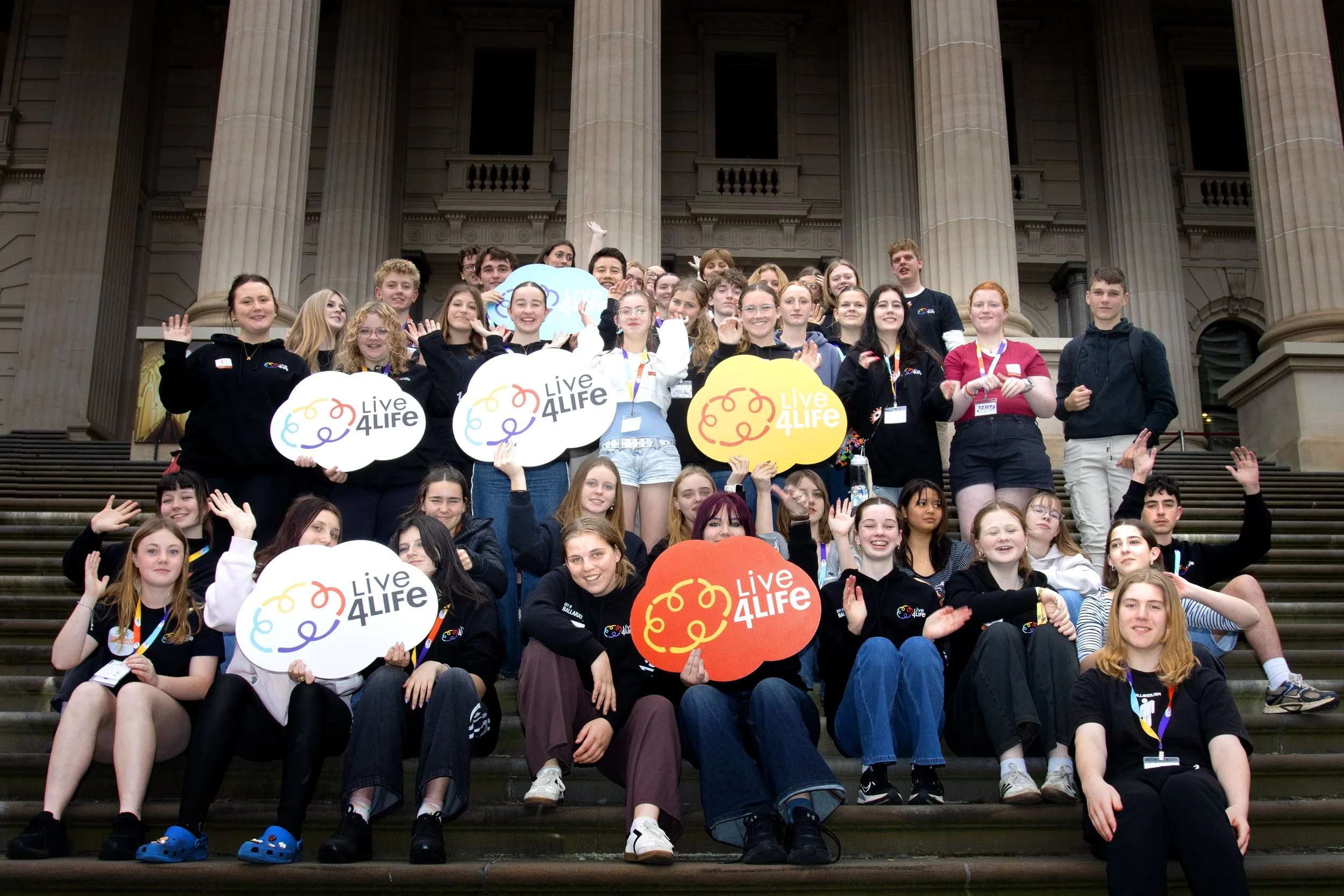


World Mental Health Day — a day to raise awareness around the world and mobilise our efforts in support of mental health. This year, Mental Health Australia’s theme for 10 October is ‘Connect with your community’ and reminds us that our communities – the people and places where we feel safe, seen and heard – can help us feel cared for and supported, which is good for our mental health.